Lost in Translation
by Adeena Schlussel on behalf of Daniel Lubetzky
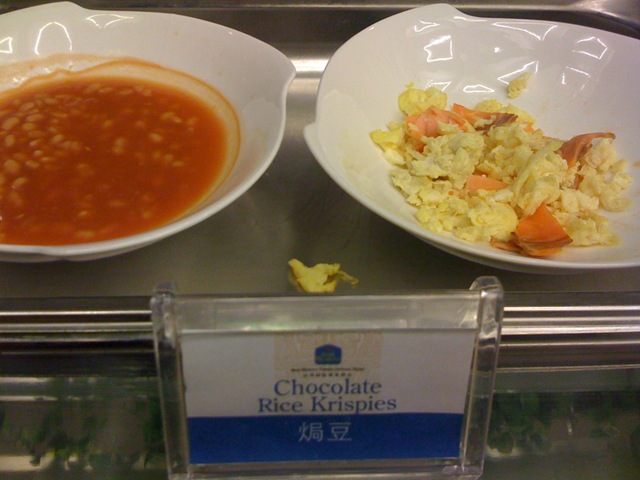
The New York Times had a fun compilation of signs across the world that conveyed something surprising, not always unintended, but always funny.
by Adeena Schlussel on behalf of Daniel Lubetzky
The New York Times had a fun compilation of signs across the world that conveyed something surprising, not always unintended, but always funny.
"He who controls others may be powerful,
but he who has mastered himself is mightier still."
–Lao Tzu (forwarded by Len & Libby Traubman)
While many of the choices on TIME Magazine’s Top 10 lists for 2009 were lame or uninspired, here are a few worthwhile picks:
MOST HILARIOUS VIDEO:
Bonnie Tyler spoof of 80s (Other viral videos: I had already noted great videos including of Susan Boyle, and there are other good ones like this wedding procession, the post-it film "deadline", the mock ad for Flutter that underlines the silliness of the world we live in, and the baby dancing that even my grandmother had forwarded me)
FUNNIEST AD:
Hulu
COOL AND DEEP:
The Longest Way 1.0 - one year walk/beard grow time lapse from Christoph Rehage on Vimeo.
Also Cool Scientific Discoveries:
In an interesting note about the gap between knowledge and learning, Gidi Grinstein pointed me to this amazing video that highlights the quick pace at which information is growing. This year, more information will be created than was generated in the prior 5,000 years.
Underscoring the depth of the challenge to freedom as we know it, no less than NYT Editor Bill Keller led the Week In Review with an analysis of China and Russia’s rise:
If it is not yet an age, it is at least a season: Springtime for autocrats, and not just the minor-league monsters of Zimbabwe and the like, but the giant regimes that seemed so surely bound for the ash heap in 1989.
China seems intent on using its veto at the UN to minimize any interference with national sovereignty, even at the expense of basic human rights and values, to the point of again vetoing a UN resolution against Robert Mugabe, Zimbabwe’s atrocious dictator, and seeking to fight an ICC warrant against Sudan’s genocidal President. Howard French just wrote an excellent article on this issue.
But what seems to also be missing from most analyses on this topic, is that China is not just trying to limit ‘foreign interference’ in national affairs but also just plainly trying to avoid having to pay any commercial price for being a global citizen. The United States and other Western countries incur a tangible cost for taking certain moral stances. Sometimes these principles are worth more than trade. It is truly immoral to pursue trading interests at all costs. The policy-making community, and CONSUMERS, have not weighed in enough on this issue.
I was initially persuaded by media and pundit assertions that what is behind this meteoric rise in raw materials is at least connected to "speculation" - ie, hedge funds plowing in billions into commodity future contracts and other financial investments that make the goods artificially rise in cost.
But look at the Deutsche Bank chart (which my law school buddy Stanley Haar shared with me) below.
Non-Exchange traded commodities have risen more than those traded on exchanges. Unless hedge funds are also buying the physical goods in all these sectors, the more likely culprits are sheer global over-consumption and over-consumerism. For years the mantra was that we should only hope the rest of the world will have a standard of living that is closer to the Western world’s. Now that India and China are more than catching up, we are learning how this taxes our planet.
A better plan would be for all of us to learn to live just a little bit more modestly and less wastefully.
It is rare that the first few paragraphs of a story in the New York Times will make one cry. But this story about the quake catastrophe in China is just such an example of human love and the quest for survival amidst adversity.