It was an honor to welcome Nikki Haley to our KIND HQ. Thank you for your leadership.
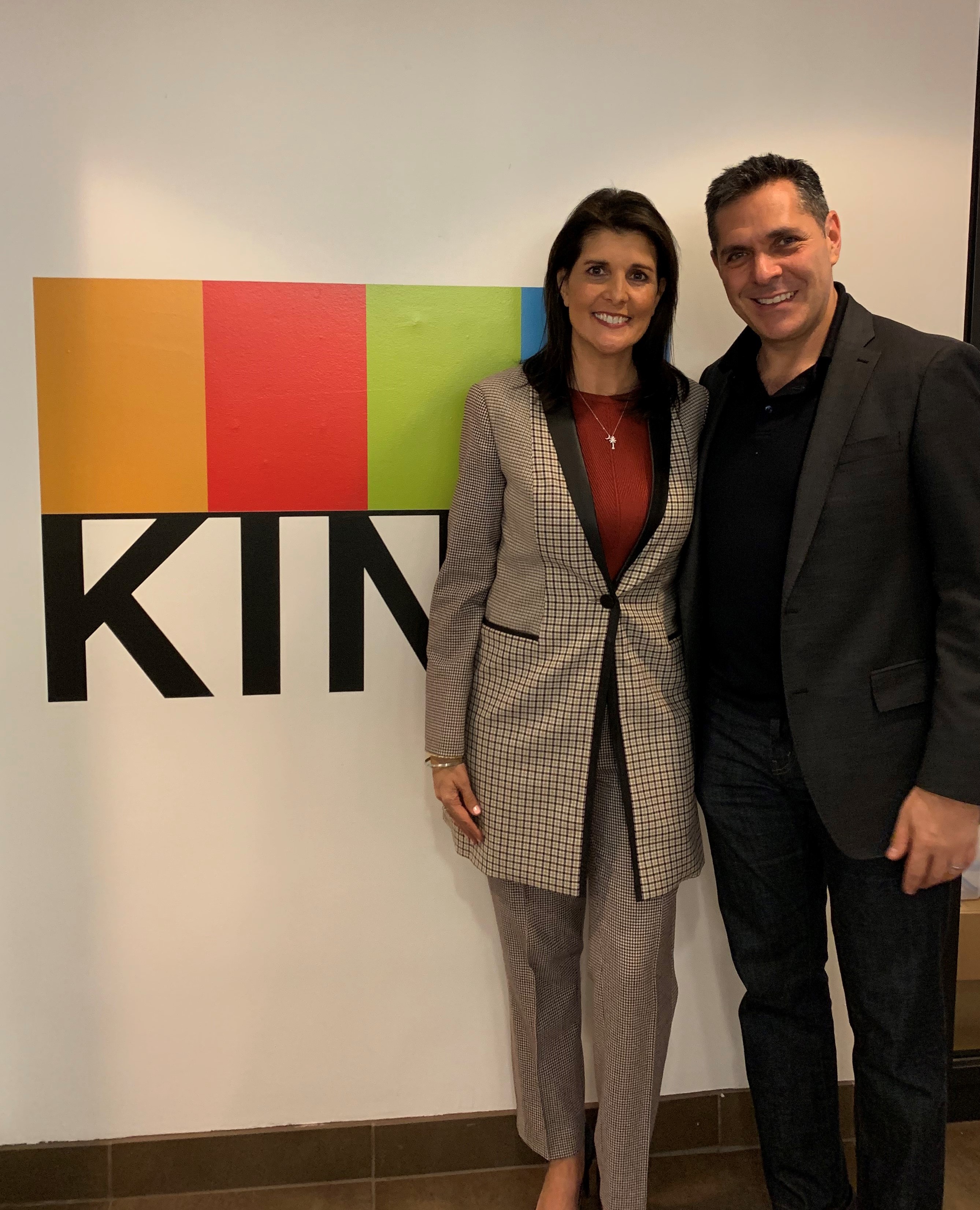


It was an honor to welcome Nikki Haley to our KIND HQ. Thank you for your leadership.
As a Mexican immigrant, and as the son of a Holocaust survivor who was liberated by American soldiers, I have a deep appreciation for our democratic process. I do not take this right for granted.
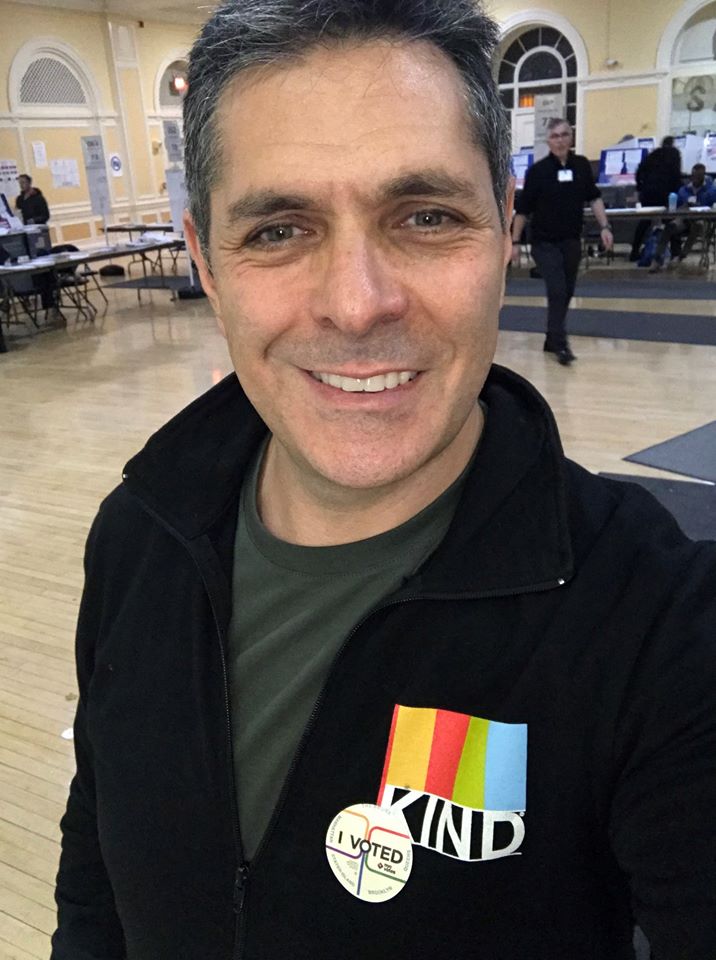
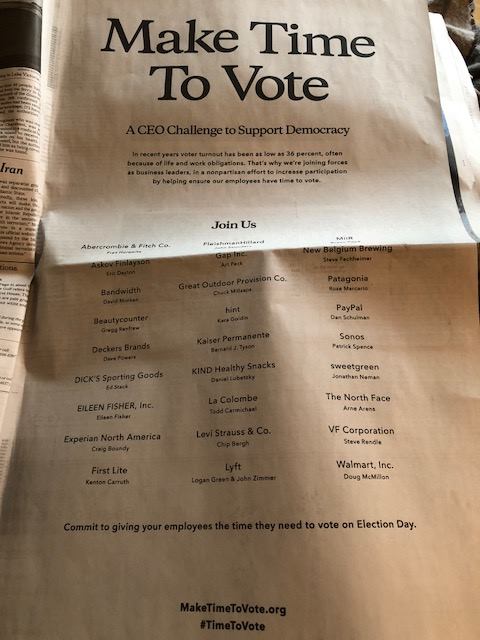
he U.S. has one of the lowest voter turnout rates in the developed world, and one of the most common reasons that people give for not voting is an inflexible work schedule. This Election Day, KIND Snacks is proud to participate in the #TimetoVote campaign. On November 6, no meetings or conference calls will be held at KIND after 3pm to create time for our team members to exercise their right to vote.

Proud to partner with these formidable companies to ensure that our teams have Time to Vote. http://Maketimetovote.org/

By Fareed Zakaria, Thursday, March 29, 2018
By way of explanation for some of President Trump’s bizarre foreign policy moves, we are often told that he is “unconventional” and that this could well be an asset. It’s certainly true that he doesn’t follow standard operating procedure on almost anything, from getting daily intelligence briefings to staffing the State Department. But his most striking departure from previous presidents has been in his rhetoric. American presidents have tended to weigh their words carefully, believing that they must preserve the credibility of the world’s leading power.
And then there is Trump, for whom words are weightless. During the campaign, he excoriated Saudi Arabia as a country that “want[s] women as slaves and to kill gays,” only to make his first presidential trip abroad to the kingdom and warmly embrace its rulers. He said NATO was obsolete and then affirmed the opposite. China was a currency manipulator that was “raping” the United States, until it wasn’t. [Read more →]



It never crossed my mind that an idea that began to take shape years ago to heal divisions among nations would be as urgently needed to bridge divides within our own country.
Today, I am proud to announce how Empatico will help address the major challenges that our nation and world face in terms of growing alienation, hatred, and the inability to listen to one another.
Fifteen years ago, as I was traveling across the Middle East and the world to build a grassroots Movement to amplify the voice of Israeli and Palestinian moderates, I was struck by a concern shared by everyone with whom I spoke. Each side felt that their people was misunderstood and mischaracterized. Tensions were at an all-time high, but it was clear that each group’s desire was similar: Muslim, Christian or Jew, Arab or Israeli, secular or religious, they wanted to tell their stories and where they were coming from. They wanted to be treated with dignity and respect. [Read more →]
By Fareed Zakaria, Thursday, Oct. 5, 2017
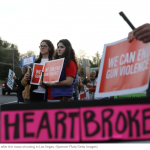
“He was a sick man, a demented man,” said President Trump, trying to explain the latest mass shooting in the United States. We hear this view expressed routinely, after every new incident. But it is a dodge, a distortion of the facts and a cop-out as to the necessary response.
There is no evidence that the Las Vegas shooter was insane. (I prefer not to use his name and give him publicity, even posthumously.) He did not have a history of mental illness that we know of, nor had he been reported for behavior that would suggest any such condition. He was clearly an evil man, or at least a man who did something truly evil. But evil is not crazy. If we define the attempt to take an innocent human being’s life as madness, then every murderer is mad. If not, we should recognize that it is a meaningless term that adds little to our understanding of the problem.
Actually, the quick assumption of mental illness distorts the discussion. First, it smears people who do have mental disorders. Such people are not inherently highly prone to violence. They are more often victims of violence than perpetrators. And to the extent that some are violent, they are more likely to inflict harm on themselves. Mental-health issues are correlated to suicides far more closely than they are to homicides. [Read more →]
By STEVE HARTMAN CBS NEWS
NEW YORK — This week we saw what a trillion gallons of water can cover. But more importantly, we saw what it can uncover — our potential as a nation.
I know it seems like eons ago, but remember what was in the news before this? Remember when nothing was more important to America than the fate of a Confederate statue? We were literally at each other’s throats over race, religion, immigration and, of course, politics.
And then Harvey came and pounded us with perspective.
The 20-something heads of the Centrist Project and the Millennial Action Project say the problems of America run deeper than just the current President. Source: CNN